
Bridging Leadership Lessons from the Workplace and Those Experiences Shaping Today's Youth and Tomorrow's Leaders
 Social media is on fire! Women’s college basketball has exploded onto the scene, and it isn’t just a massive marketing ploy. The late-night match-up in the Final Four had everything you could want. The winningest program in Women’s college basketball history, the UCONN Huskies and the career scoring leader, Caitlin Clark, of the Iowa Hawkeyes who has generated excitement in those who have never watched a girls basketball game before.
This match-up resulted in a viewership of 14.2 million viewers on average and a peak of 17 million! It shattered the record of 12.3 million that was set less than a week before when Iowa defeated LSU in a rematch of last year’s championship game. The sad thing is that it isn't just about basketball and teams competing. That isn’t the product. The product is the emotions of you, the viewer… and you don’t even know it. Reese vs Clark We had a full year to have the sports media and talking heads fan the flames of the Angel Reese versus Caitlin Clark drama. They made it racial. They make it regional. They made it old-school vs new school. They did everything they could to add conflict where none existed. Media has taken the stance that the news is not enough. The sports competition is not enough. They use reality shows and sensationalism to drive clicks, to drive viewers, to drive spending. It’s not about the game. It’s about controlling the product which is your emotions. After Iowa defeated LSU in the Elite 8, the cameras could have focused on the embrace between Reese and Clark. The narrative could have been about the mutual respect between competitors and how game respects game. Because that is what the players were saying all along - it was the reporters, talking heads, and the producers in the conference rooms that focused on a different narrative. Later in the post-game interview, Angel Reese opened up about the emotional toll the game has taken on her. The crazy fans, the death threats, casting her as the villain was negatively impacting her emotional state. Of course, this is a great narrative, and the media ran with it and all of the same sports people who were promoting her style and toughness, now were chastising everyone else who had done this to her, with no apologies or acceptance of their role in this movie. I'm not discounting her emotions of the impact on her from the craziness of social media and the anger that complete strangers have for people and their actions. An Iowa player deleted her social media accounts prior to the championship game due to hate posts and death threats as well. But again, all of this is because we choose to let our product, our emotions, being impacted by others. Emmanuel Acho is an outspoken sports analyst. His take was a little different, “In sports, you can’t act like the big bad wolf, then cry like courage the cowardly dog.” He wasn’t attacking Angel Reese. It was an unpopular view, and he took the backlash standing on the fact that it is how he views it, and others can view it differently. The reality is that Angel Reese was "cast" in a “role” in this drama, and she was very effective in her role. That role was promoted by the media as it manipulated you and took control of your product, which as I have said before is your emotions. You really need to control your own product. The Call If you still do not believe that you are being manipulated, let’s jump to the Final Four game between UCONN and Iowa. With 3.9 seconds left, a controversial call of a moving screen by Aaliyah Edwards of UCONN on Gabbie Marshall which gave the ball back to Iowa and sealed the deal for Iowa to return to the national championship game. Social media was ablaze!!! They were blasting the ref for making the call. They claimed Marshall flopped. The NCAA rigged the game to make sure Clark got to the title game to increase viewers. Why the Outrage? During the game, ESPN chose to only show two similar camera angles that left much doubt on whether or not there was a moving screen, where there was a significant push, and whether there was a flop. The broadcasters jumped on board and talked about how horrendous the call was and that referees should swallow their whistle at the end of the game and let the “players decide.” The producer chose those two camera angles for a reason. We know they have access to a lot more than two cameras, but those two highlighted the potential for controversy. Those two would create the most clicks and intrigue. Those two would impact their product… your emotions. Because the focus isn’t on the game, but on generating sensationalism and impacting your emotions. Later that night, quietly, other video angles started leaking out onto social media that showed what was a clear moving screen. It was an illegal play that would have definitely given the offensive team an advantage if it had not been called. If the ref chose not to call the foul, then they are also taking the game into their hands by allowing one team to gain advantage by committing a violation that is not allowed by rule. But what if the ref doesn’t call the foul and UCONN gets a clean look, hits the shot to win the game and advance to the national championship? I would put a large amount of money that somehow, the producer would have “found” more than two camera angles to show the television audience. The tweets and headlines would have cried outrage at the non-call that kept Caitlin Clark from going to the national championship. Because, again, it’s not about the game, it’s about controlling their product… yep, you guessed it, your emotions. Who Controls Your Product So, it’s not about the game. It’s about the media. It’s about what it generates for them and what it causes in you. It’s clearly not just sports, because they took their lead from the regular news platforms. Heck Forbes jumped in on the emotional bandwagon of the Final Four in writing an article with a title that included “Despite record viewership, deep financial inequities remain.” Yes, because the record viewership was not for the entire tournament. It was for a select few games. There is a huge gap in the quality of the teams in the women's bracket versus the men’s bracket and so the overall viewership for ALL of the games is much, much different. The author knowingly leaves out facts to sensationalize and generate emotions… trying to again control their product. After the National Championship in which South Carolina defeats Iowa, the winning coach, Dawn Staley, does what she can to dismiss all the extra stuff surrounding the sport by finishing up with a nod to Clark, “I want to personally thank Caitlin Clark for lifting up our sport, she carried a heavy load for our sport.” She tried to put the spotlight on the positive, and not the drama. What I find funny is that we can see the drama that’s created in our life when it happens with family and friends. We see it, we talk about it and many times, we choose not to get involved or participate. But we allow the giant economic engines to bring drama to us and we not only accept it, but we also embrace it and jump in with both feet and a gallon of gasoline to add fuel to the fire. Sports, politics, social interactions. The drama is being created by our government, by the media, and by the multimillionaires’ guiding corporations from their boardrooms. Our emotions and feelings are their products and in economic terms, they have zero issues with supply and demand - because we give it willingly. If you want to have an impact on future generations, start with controlling your own product. Control your supply and what they demand. Choose to step out of their drama and out of their game, Beyond Today.
0 Comments
Part of the continuing series on the The 3 Pillars of Impact: Varsity Edition where we focus on connecting the 3 Pillars to creating a culture of winning in the locker room. 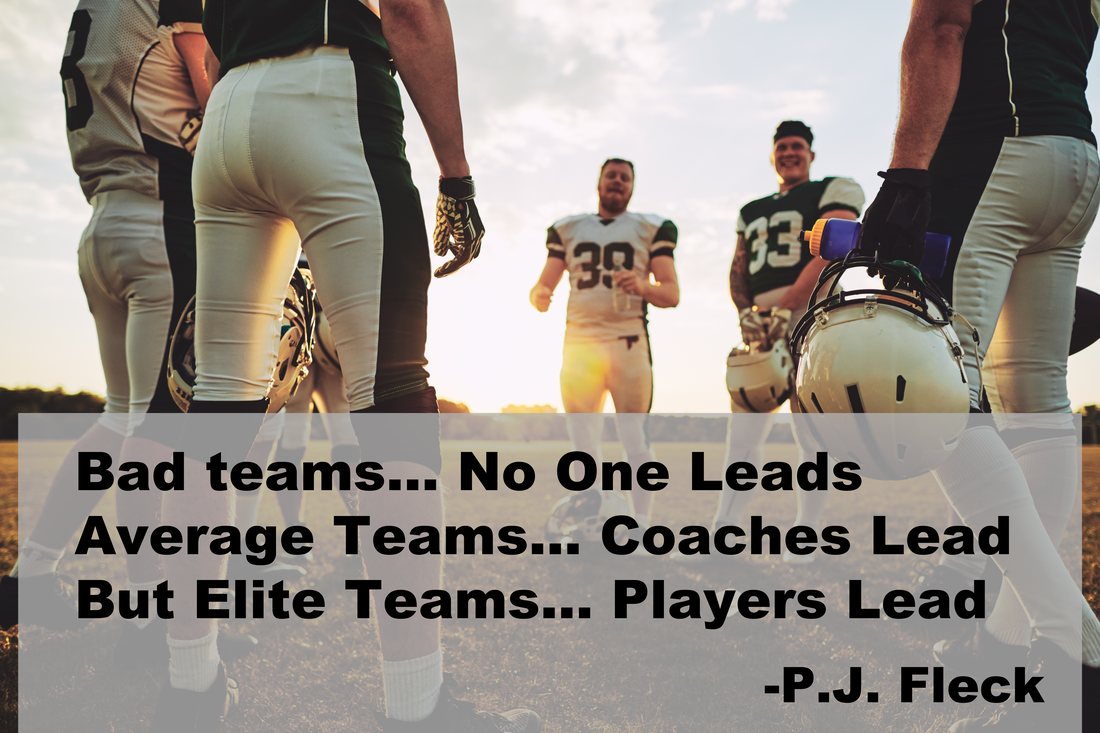 The 3rd Pillar of Impact, Empower Others, is the most complex of the Pillars in regard to taking it into the locker room. As I wrote in 5 Challenges to a Winning Culture, the sports world has long been the poster child of autocratic, command and control leadership style.
But I want to point out that empowerment is only a top-down activity. I would argue that it is an approach or mindset that can be cultivated and applied to multiple levels within an organization or team. It is an environment that exists with a team/organization that embraces individual ownership to a shared vision. While the 3 Pillars of Impact are intertwined, an environment where people empower each other is the pinnacle. It’s true that individual empowerment impacts the Courage to Challenge and Expect Excellence by making these Pillars easier to achieve. But an environment where empowering others exists will be short-lived and will crumble if the first two pillars are not firmly in place. As I break down the 3 Components of an Empowered Environment; keep in mind the complexity as related to those involved. Coaches, administration, players, staff, and family. Typically, there are significant differences in background and age, but most importantly goals. Administration may be focused on graduation rates, donors, reputation or winning. Coaches, while focused on winning, can also worry about their jobs - both the current and future. Players can be worried about stats, outside pressures, or the next level. Parents are worried about their child; their well-being and they are getting what they deserve. Wow! Trying to bring that all together is a huge undertaking. Let’s delve deeper. The 3 Components Sharing the Vision While you can always debate if this is the outcome or the initial step, my personal feeling is that creating a shared vision in the beginning not only helps paint the picture of where we are going, but as a leader, you are showing vulnerability and establishing trust with those heading on the journey. While everyone may not buy-in initially, they can gain an understanding of their roles and that they can have input to what that future will look like. A good friend and coworker used to say, “we don’t have to agree, but we need to be aligned.” This is powerful in that you establish understanding and awareness of what needs to happen. Whether or not you fully agree on the method is another thing, but if you can align roles and activities, it will help move everyone forward. A shared vision can unite a team and organization. It gives a true-north that everyone can use to validate their paths and actions. It’s a common language used to describe and connect the standards that have been set by the team. Own Your Role Ownership is absolutely critical for an empowered environment If players won’t take ownership of their own development plan, then a team will never reach its potential. That link in the chain will always break. In Expect Excellence we talked about the difference between Accountability vs Ownership. An empowered team doesn’t have to hold someone accountable because that person is doing it themselves. They own their actions and failures. They own their development. As a player, roles can be defined by positions, and it is understood that the O-Line blocks and the Defensive End contains. In basketball, it can be different as some kids may take on roles of scorer, rebounder, or energy guy, but ultimately a high-quality team is made up of people who are willing to play the role that is needed at that time. Author Liz Wiseman says that Impact Players just don’t do their job, they do the job that needs to be done. Alan Stein Jr, in his book Raise Your Game, talks about the job of a leader is to sit down with his team and explain the value of each role and how they impact the team. Stein says, “success is not about being the star, it’s about starring in your role.” There is a reason football coaching staffs have expanded their roles and responsibilities. A head coach cannot be the autocratic master of everything. There is too much to know about plays, people, situations, and opponents. They are more of a conductor of a symphony than a controller of the chess board. This is happening in other sports as well. Basketball coaches understand that their assistants can call plays, focus on defensive strategies, and contribute at a higher level than holding a clipboard or letting them know how many fouls. If a coach doesn’t respect and trust his assistants enough to share the coaching, then how much trust can there be in the players to perform? Ego and control are killers of an empowering culture and therefore a culture of winning. Creating Trust The first two pillars are key to reinforcing trust. Having the Courage to Challenge allows you to Expect Excellence from yourself and others. It happens in every interaction. You are either creating trust or losing trust. Teams that have a culture of winning are constantly building trust. Even when there is a challenge, in a high-trust environment a person will give the benefit of the doubt and delay judgment on whether to lose trust. Awareness of the Emotional Bank Account and making sure you are making deposits makes everything else easier. When there is a culture that embraces an environment of empowerment:
When you think of great teams that possess a winning culture, you know that there is a Shared Vision that aligns the entire team and drives their actions. A great team is built of people that own their roles. All members, at all levels, know how their role fits into the bigger picture. On great teams, trust exists and is foundational. It is reinforced by words and actions. The vision is aligned. The roles are owned. The team trusts that they are empowered to create a culture of winning Beyond Today. 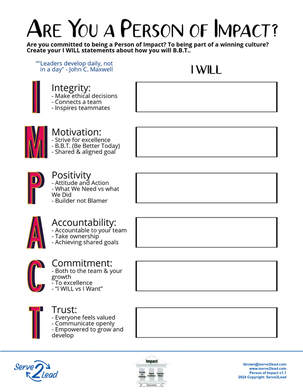 Click the image to access a pdf file of Person of Impact. Click the image to access a pdf file of Person of Impact. When I first started my blog, I was using it as both an outlet and a way to expand my reach or impact with coworkers. To share my experiences and support those who may need some guidance but are afraid to reach out and ask. But since those early days, my focus has expanded. I realized that my purpose was to help others make a bigger IMPACT in the lives of others. I have used the 3 Pillars of Impact to help companies and teams develop future leaders. I have shared my personal story of IMPACT when my life dramatically changed. I’ve also used vulnerability to share with you when my life was impacted by the choices of others, and I had to start over after 30 years. These experiences led me to create a reflective tool that creates a call to action for others to be a Person of Impact. The best part is that it doesn't matter your background or status in life. Whether you are an executive, a high school athlete, a person trying to be a better friend, or someone who is searching to find their way. "Leaders develop daily, not in a day." - John C. Maxwell Person of I.M.P.A.C.T.I = Integrity
Integrity is the key to building trust. Demonstrating the ability and consistency in making ethical decisions is what will connect you to others. It builds and inspires a team. M = Motivation Strive for excellence in everything you do and be the role model that others look to. Living a life built on B.B.T., Be Better Today, shows others you have a growth mindset. Unite your team by working on shared and aligned goals. P = Positivity It’s not just the attitude that needs to be positive but also the action. We acknowledge the past so that we can grow and learn, but we focus on the future. You focus on What We Need to be successful versus What We Did. You are a Builder and not a Blamer. A = Accountability It’s not just being accountable to your team, friends, family, and self, it’s taking ownership. It’s helping others see the importance of owning their own thoughts and actions. It’s living a life working to achieve the Shared goals. C = Commitment All of this leads to commitment to those around you but also a commitment to your personal growth. The greater your growth, the greater your impact. Your commitment to excellence in yourself and others because you realize the I WILL must be larger than the I WANT. T = Trust We started with Integrity and ended with Trust. When you create and practice Trust, everyone feels valued. With Trust, people can communicate openly which creates a culture where people are empowered to grow and develop. So, I ask you, are you a Person of Impact? When you read through the 6 pints, where did you get excited and where did you feel guilty? What are you willing to do to work/live/play in a culture that leads to winning and success? A culture that embraces IMPACT? Use this tool to identify where you can Be Better Today. Create your I WILL statements that will help you travel the path to be a Person of Impact, Beyond Today. Part of the continuing series on the The 3 Pillars of Impact: Varsity Edition where we focus on connecting the 3 Pillars to creating a culture of winning in the locker room. 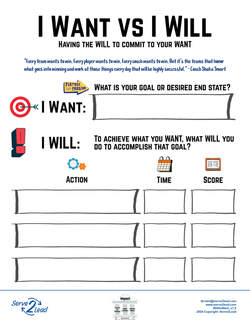 The hurt from having your son's school season come to an end is still hanging heavy in the air in our household. It's how we have processed multiple basketball seasons over the years through the older boys and now with our youngest.
We discuss what happened, what should have happened and what needs to happen to prevent these feelings from returning. Countless phone calls with other parents. Reliving the moments. Seeking answers. Feeling the regret of "what-if." This morning, I initially planned to re-share a blog I first posted in February four years ago, Challenge of Being a Parent Coach. It was the pain I felt for not celebrating a game winner with my then 3rd grade son. In a life full of regrets, especially when it comes to helping shape the lives of the young kids I coached, this one was very personal to me. Rally in Support While that story was a moment of joy that led to a moment of sadness; this past week, after my son's team fell in the semifinal of state district competition, it was the opposite. As my son approached me after the game, having left everything he had on the court, I was heartbroken for him. He was exhausted. He was emotionally and physically drained. He was hurting. There was no hesitation. I went in and gave him a hug and told him I was extremely proud of him. I was not going to miss out on the opportunity and the necessity of me being there for my son in his time of need. I listened. I didn't explain. I didn't feed into his frustration and sadness. I listened. I reinforced my pride and my love for him - not as just a basketball player, but as a young man, and more importantly, my son. My family turns out to support the team. When I say family, I don't only mean his siblings but the extended family that will show up for events as well. A cousin. An aunt. My former players who are now adults. The coaching family from past teams who remember Ethan being a young kid tagging along at practice, getting up shots during timeouts, and looking for an opportunity to watch those who came before him. Be Better Today As a person who has focused the majority of his life to leadership and coaching others, the mindset in our house quickly moves from hurt and sadness to focusing on what can be in the future. We spend enough time on What We Did, to help shape and reinforce What We Need. This is the essence of the 3 Pillars of Impact: Varsity Edition and why I feel so passionate about the potential to help others build a culture of winning. Our conversations change from expressing frustration to discussing potential. Ethan sets up his schedule to get back into the gym for his off-season shooting routine. He breaks out his off-season strength and condition program to add muscle and weight. We discuss how to keep his teammates, who are in spring sports, engaged and growing their game. Because it's not about what happened. It's not about the accomplishments of this past season. It's about Being Better Today than yesterday. It's about Expecting Excellence in yourself and others. I Want vs I Will The conversation my son and I have at moments like this may not be the typical teenager /dad conversation, but you will still hear a bruh or a cuz thrown in there... from both of us because I am that cool... or embarrassing, if you ask my son. I broke out my coaching tools that I use with professionals in the workplace but have also adapted to be used with sports teams. A quick K.S.S. assessment of what you want to Keep Doing, Stop Doing and Start Doing to reach your goal. Creating formal goals committing to what you WILL do to achieve what you WANT. This is a powerful tool that documents your commitment and makes it real. It moves you from dreaming to working on your dream. Creating the Winning Culture During the initial post-season blues that come after the final loss, I mentioned that much of the discussion is with other parents as well. The reminder I always have for them is that the WANT and the WILL is about the kids and players and not about them. As parents, we have to Live in Their Lives but cannot live it for them. Tough conversations can be difficult to have, but when you trust in vulnerability, you can demonstrate the courage to challenge in a positive and constructive way. Whether the conversation is among parents or among players. From coaches talking with players or players talking with coaches, sometimes tough things have to be said IF, and this is a big IF, you are wanting to have a Culture of Winning. It's more than getting up shots. It's more than fancy uniforms. It's more than being on a cool travel team. It's more than ranking and records. It's more than the individual. It's about a culture of winning when players, parents and coaches have the WILL to match their WANT and that they are committed to Being Better Today. It is that Culture where everyone improves that will enable a team to reach their goals Beyond Today. Part of the continuing series on the The 3 Pillars of Impact: Varsity Edition where we focus on connecting the 3 Pillars to creating a culture of winning in the locker room.  It has been extremely rewarding for me to adapt the 3 Pillars of Impact to the sports world. I introduced the concept when I wrote about taking the 3 Pillars to the Locker Room and have since been breaking down the Pillars (Courage to Challenge) and other aspects of the talks and training I have been providing such as 5 Challenges to a Winning Culture.
This post is highlighting the 2nd Pillar of Impact, Expect Excellence, in a way that connects to athletic programs. Whether at the office or in the locker room, the concepts are the same. James Clear in Atomic Habits makes sure people don’t confuse excellence with the goal. It’s about creating a standard of behavior and habits that leads to your best performance. With the introduction of new rules in college sports such as NIL and the Transfer Portal, the impact on college coaching and team chemistry has been a hot topic on the talk shows and social media. The trickle-down effect is impacting high school sports and expectations where players are expecting instant gratification and honestly want success, but only on their terms. Sadly, this isn’t just in the sports world as businesses are seeing new employees with no experience and very limited skill sets, demand wages and benefits far beyond the value they bring. Taking a STAND on STANDards The result of this current reality is a push to lower standards to adapt to this changing environment. Corporate leadership, school administration, and coaching staff are tolerating and accepting behavior and efforts that are below their standards for fear of retribution or disruption on their team. But, as coaches and more importantly, leaders, we must address this to ensure that standards are established. If we set standards but do not hold our players accountable, then we have no standards. We are not helping young people to be prepared for life by letting them skate through the learning. Establishing the mindset of Expecting Excellence is what identifies a Winning Culture, regardless of a team’s record. Leaders take a STAND to establish, communicate, and align STANDards with their team. Leaders make sure their players are bought in and see the potential benefit to them and the team if they hit those STANDards. 4 Key Areas of Expecting Excellence From Yourself and Others There is a reason I start with “yourself” because if you don’t hold yourself to a standard, how can you ever expect it from someone else? As a coach or a teammate, start with your actions and efforts. Focus on what you can control first and foremost. As Stephen M.R. Covey pointed out, “We judge ourselves by our intentions and others by their behaviors.” Knowing this, we need to make an effort to build trust and vulnerability so that we earn the right to engage others. Revisiting the 1st Pillar, Courage to Challenge, lays the framework for how to engage others so that the challenge can be received as intended. Whether the coach or a teammate, establishing standards and showing that you are working towards the standards is the first step to Expect Excellence from others. Touch the Line Coaches are notorious for making players run again if they fail to touch a line in sprints. Even if it is 1” short, coaches seem to get sadistic enjoyment about pointing out the player missed the line and having them ”line up” for another one. Does anyone actually think that not going that extra 1” really matters in the conditioning of the athlete? Well, it doesn’t. But does the discipline to do what is required and expected of you as a player matter? Definitely. That 1” or that 1 missed tackle or that 1 time you didn’t talk to a teammate about a screen can be the difference in winning and losing. The challenge for the leader, whether a coach or teammate, is how you connect the standard of the 1 thing to the importance of the player achieving that 1 thing for the greater good of the team. The team that can minimize the negative 1 things will typically win the game. The team built with people committed and focused on eliminating the negative 1 things has the winning culture. B.B.T. (Be Better Today) It’s not about being perfect. It’s not the score on the scoreboard. It’s not the goal itself. It’s the mindset of excellence. It’s the journey to pursue what excellence means. It’s the willingness to improve. “Greatness is not meant for a few chosen people. It’s meant for those who persistently pursue their dreams every day and make that choice when they wake up.” - Kyrie Irving I’m all for having dreams and a vision. But it won’t happen overnight. But it will happen by your daily actions. Again, it’s not about being perfect. It’s not about playing in college. It’s not even about a district championship. Just Be Better Today. Accountability vs Ownership I prefer using ownership to accountability because inevitably when people talk about accountability, they are talking about holding someone else accountable. They are not usually looking inward at themselves. The first aspect of Expecting Excellence is to look at yourself first. Walk the Walk. Holding yourself accountable is the definition of ownership. While this specific topic is central to the 3rd Pillar of Impact, Empower Others, I bring it up in Expect Excellence because if everyone is expecting excellence from each other and everyone knows the standards, then if they are committed to moving forward, they are taking ownership to build a winning culture. As a leader, again whether a coach or teammate, your job is to grow individuals so that they see the value of taking ownership and more importantly the importance of modeling that with the team so that your team is moving in the same direction towards a winning culture. When you have the Courage to Challenge and you use that to establish a mindset of Expecting Excellence, then your team is building a Culture of Winning Beyond Today. 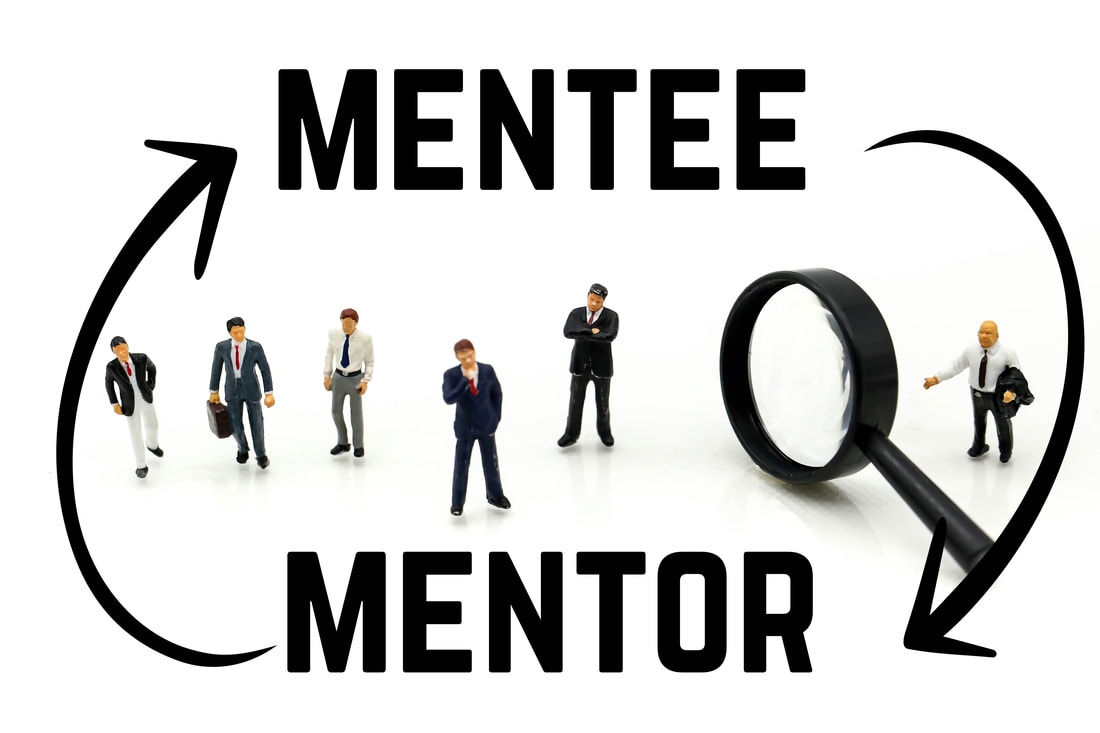 Last week, I shared about the Power of a Mentor. Having benefited from having Steve in my life has helped shape so much of who I am.
Those experiences are even more beneficial as having gone through my halftime and I enter the second half of my life. As I move from Mentee to Mentor, I take those lessons with me as I engage and provide services for others. It would be easy to say, I’ve arrived and to take the stance that my experience and background means that I am at the top of my game and my focus needs to be on helping others learn instead of still looking for opportunities for me to grow. Finding Mentors Around You But, as I wrote in A Coach Getting Coached, there is always an opportunity to learn if you are open and willing. Recently, I was blessed to work with someone who had no idea how much he was mentoring me. I watched him engage our session participants through asking sincere questions and showing them gratitude for sharing a part of themselves with us. It had such an impact on me that I found myself engaging the flight attendants and strangers in meaningful conversations to learn more about them because of the IMPACT he had on me in the week we spent together. Another mentor appeared who is 10 years younger than me. Watching the way, he connected with a group of Executive leaders in a professional yet personal manner. He was present and interested in their challenges and the impact it was having on their organization. He connected with them through his confidence in his ability to help but also through humility in feeling the impact of the challenges they face. I guarantee that neither of them had a clue that they were my mentor. But I was open to be shaped and to learn and mentoring found me. When you spend so much time seeking mentors, it catches you off guard when people seek you out to be their coach or mentor. Throughout my career I have always had official and unofficial mentees. Mentees Finding You Recently, I was invited to provide the keynote at a local Chamber Awards Dinner. My talk focused on IMPACT and how the impact of local businesses goes so much deeper than the economy. I started off by sharing My Day of Impact and how my second chance at life was a message for me that I would have an IMPACT on someone who was destined for great things and that person may be in that room. At the conclusion of the evening, I was approached by someone who felt moved to share their personal experiences with me. It was a powerful story that this person has shared publicly through testifying but has been an emotional struggle - knowing the message is important but the fear of public speaking makes her avoid and decline what she knows she is called to do. I explained that when you are called to Lead, one of the most important things to remember is that Leadership is not about you! It is about those you are helping and guiding. The person asked if I would coach/mentor them on growing as a speaker to help get their message out to others. My first instinct was to try and deflect because I didn’t feel that coaching someone to be a motivational speaker was in my wheelhouse. They shot back quickly “but you are a coach, and it is what you do.” As I tried to clarify that “yes, I coach but my expertise…” They cut me off using familiar words that I had uttered earlier and said, “Leadership isn’t about you.” “Well, let me check my calendar…” You never know when mentors or mentees will appear and provide guidance or seek support. It may be a direct interactive experience or only from afar in a one-sided relationship. Regardless, leaders lead, whether they are aware or not. Remember that mentorship is always present, it can be provided or received, and it will have a greater impact Beyond Today.  Reading has been something I have always enjoyed. As a child, I couldn't get enough books to read. I loved the books sharing the heroic stories of yesteryear, whether they be leaders, explorers, or athletes.
As I moved into my teen years and college, the pull of science fiction and fantasy started to dominate my reading, but historical writings of military heroes or events would continue to find a spot at the table. But as I moved to adulthood, personal growth became more important as I worked to Be Better Today than I was yesterday. Early in my career, I traveled non-stop and all those hours on a plane flying around the globe allowed me the opportunity to get a lot of reading in whether the lessons from Covey, Ziglar, and Welch or the thrill of Clancy, Koontz, and Ludlum. But now, time is more precious and sitting down to read is difficult with the demands of life. Books have given way to iPhones and AirPods as I capitalize on my Audible subscription. Of the 22 books I read last year, only 3 were in written form with the rest being ones I listened to. I decided to share my reading list of the books I finished in 2023. I broke them into 3 categories: Personal Growth, Guilty Pleasure, Historical Non-Fiction. Personal Growth represented 68% of my reading focus. As someone who likes to take notes, using an audiobook can be challenging when you are trying to walk on the treadmill and type in notes on your phone... be careful, full athlete mode is required to accomplish this! Here is a list of the books I read. They are not ranked, merely listed out from the one I finished most recently to the one I finished at the start of the year. PERSONAL GROWTH
GUILTY PLEASURES (Okay, I love listening to these types of books because if you have a good narrator, they can really help capture the personality of the characters. Now, I doubt if many people would include Animal Farm as a guilty pleasure but where else do I put it? Honestly, I forgot how powerful of a book it was and could easily be a life lesson in personal development. Or I guess, you could stretch and say it is historical non-fiction / fiction because wow, such truth!)
HISTORICAL NON-FICTION
I hope to hear back from you on your thoughts on these books. If you have any questions, about them, let me know and I will share my opinion. If you have any recommendations, I would love to hear them. Taking the time for personal growth through reading (or listening) is essential to Being Better Today than you were yesterday. Because Leaders Lead and a growth mindset takes you Beyond Today. 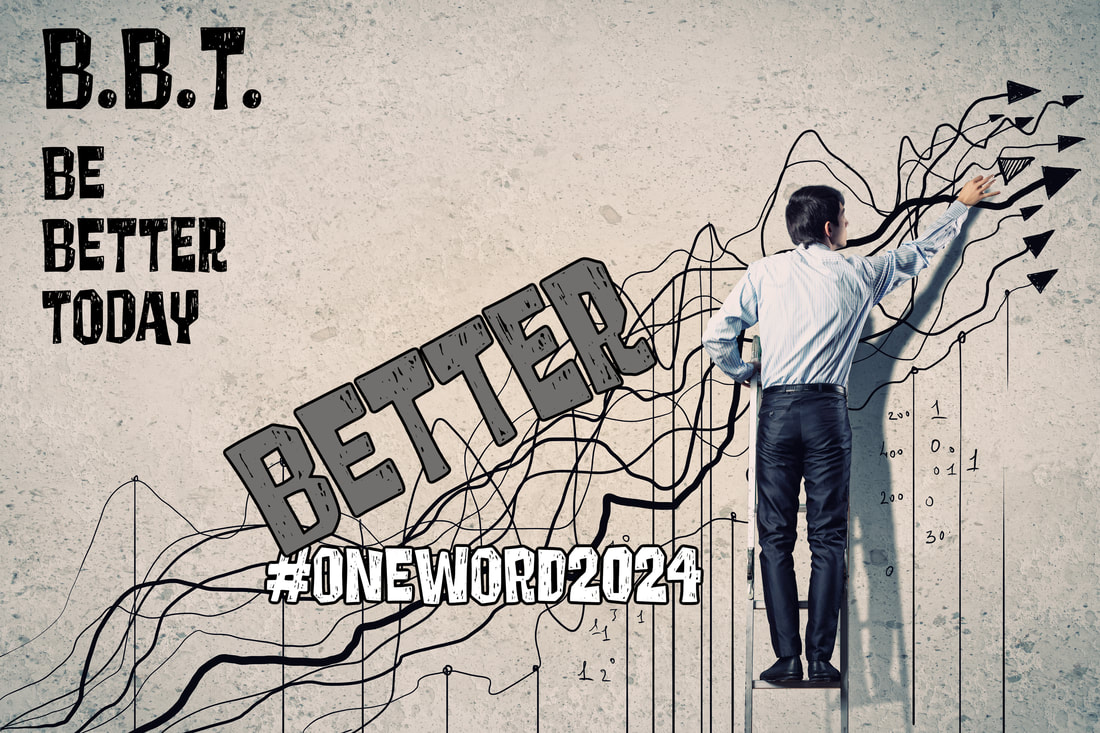 My annual exploration to find my One Word for 2024 was a little different than in years past. I wasn’t spending hours of quiet time, alone with my thoughts and prayers. This year it seemed to be more about me stumbling over some things that were in my way and I finally decided to look and see what it was that kept tripping me up.
I wasn’t going heavy into the searching because I felt I was already there and knew that I had narrowed down my words. But then, on the same morning roughly 20 minutes apart, I received two texts from two people who do not know each other. One was from my sister and the other was a friend and former co-worker. Both were asking me about whether or not I had chosen my One Word for the year. Those two people reaching out to me was the trigger I needed, so I turned my attention to the process of selecting my One Word that has been made famous by Jon Gordon. There were actually two words that jumped out at me; CLOSURE and BETTER. Closure was prominent in my thoughts because there are a lot of areas in my life where I have failed to finish as well as some aspects that I need to put to rest internally. But in the end, it was BETTER that was the loudest One Word. There are so many areas of my life where I want, no, I NEED to be BETTER. This approach at its most fundamental will help me to gain CLOSURE if I can simply Be Better Today than I was yesterday. I want to be a BETTER husband. I want to be a BETTER father. I want to be a BETTER sibling. I want to be a BETTER friend. I want to be a BETTER listener. I want to be BETTER at finishing. I want to be BETTER about reaching out to others. I want to be BETTER at showing gratitude. I want to be BETTER at showing and living empathy. I want to be BETTER at maintaining focus. I want to be BETTER about living a life of IMPACT. I want to Be Better Today than I was yesterday. As I was drafting this blog, I realized I wrote down a bunch of I WANTS but as I wrote in a previous blog, that means nothing without the I WILL. I WILL Be Better Today than yesterday, and that commitment is what brings value to my One Word and will help me be BETTER Beyond Today. Part of the continuing series on the The 3 Pillars of Impact: Varsity Edition where we focus on connecting the 3 Pillars to creating a culture of winning in the locker room.  Photo by Rob Barth Photo by Rob Barth In my corporate version of the 1st Pillar of Impact, Courage to Challenge I focused on challenging the status quo and breaking down the silos of the business world. As we apply the 3 Pillars of Impact to the world of team sports, it goes beyond how you engage your teammates but also how you engage the person in the mirror. The challenge is having the courage to work both internally and externally at the same time. Building credibility and creating trust as you walk the walk and let your actions influence the behaviors and mindsets of others. It leads to the 2nd Pillar of Impact Expect Excellence, but it really connects to the application of expecting excellence in yourself and others. There is a reason that “yourself” is first and in team sports, the courage to challenge yourself is foundational to being in a position to challenge others. There are 4 components to the 1st Pillar of Impact, Courage to Challenge, in the Varsity Edition that will help lead to a Culture of Winning:
"On Bad teams no one leads. Average teams, coaches lead. But elite teams, players lead." - P.J. Fleck PLAYER LED TEAM
When players can accept their role and understand the value of their role, silos can be broken and players can focus on winning and being a star in their role. Players can focus on their own improvement as an individual player to in turn help the improvement of the team. When a player leads, it doesn’t have to always be vocal. Behaviors and actions are what stand out and they can be mirrored and fostered in others. The player led team is always the goal but the chance of this happening is greatly increased when the environment exists that encourages and supports such behavior. That environment begins when your Coach or CEO of the team helps to paint the picture of what a Culture of Winning looks like through expectations, communication, and living out the culture. A grassroots approach can be successful but is much more challenging. Ideally, the players take over leadership of the team through a natural progression built upon trust. BUILDER NOT BLAMER When you challenge someone, you must ask yourself, is what you are saying helpful or harmful? You may have the best intentions, but if what you are saying when you challenge comes across as blaming, then you will lose your team's trust. You see this when emotions are high, the game gets tight, and very often, when a player is frustrated with their own performance. They lash out at their teammate(s): “You need to block out!” “Whose man is this?” “Pass the ball!” It’s easy to think this is leadership and that you are displaying the courage to challenge. Sadly, this doesn’t just happen with teenagers, sports, or new managers. Often you will see leaders and coaches do the same thing. Blame a player for not perfecting a skill that they either have not taught or have not adequately trained on in practice. You see coaches get mad because a player missed a shot as if the kid wanted to miss. Lashing out at a kid for not getting a rebound when the fault was from a teammate who didn’t block out his man. The point being, is if you focus on the fault, you are not focusing on what you want. We must focus on ‘what we need’ NOT ‘what we did’. A builder has a different focus than a blamer. The builder focuses on the outcome and not the problem. They know to build someone up you need to change the tone and change the direction. CHANGE THE TONE One of the key aspects of building trust is creating a positive environment. As we talked previously and in the original Courage to Challenge, it is about how you challenge and the environment you create to challenge. The Merriam-Webster definition of “improve” is
So, as you move from Blamer to Builder, you learn to focus less on what needs to be improved and more on what improvement looks like. To be successful in aiding in improvement, you need them to listen which is all about your delivery and the trust you have built over time. Too often we provide “constructive criticism” thinking we are helping when in reality, it is only coming across in a negative manner that works opposite. Be encouraging to help find their potential instead of criticizing what they did. CHANGE THE DIRECTION In stressful situations, it’s easy to lash out but also very easy for people to defend and even attack the messenger. People already feel vulnerable without piling on. So, change the direction of your challenge. Not on the person, but on the team. Again, focusing on the outcome and not the problem. Focus on what you need NOT on what you did. What We Need VS What We Did ‘Let’s keep the ball moving’ VS ‘You need to pass the ball!' ‘Keep moving and I will find you for the open look’ VS ‘Stop standing and watching.’ ‘Keep talking on defense.’ VS ‘Dude, why didn’t you call out the screen?’ “Good look, I will try to seal my man better.’ VS ‘Why did you pass it then? I wasn’t ready.’ Ultimately, do you like to be called out? It is as simple as that. The Golden Rule of Do unto Others… People will receive your input and feedback when they know it is thoughtful and that you care. It doesn’t mean it is always desired and will be well received. There is also a time and place to provide such feedback. But as you build trust and invest in your teammates it will be much better received and possibly even sought out. Having the Courage to Challenge means nothing if you don’t manage the tone and the direction of your challenge. If you really want to build a culture of winning, then the real challenge is having the courage to challenge yourself to Be Better Today so you can impact the culture of winning Beyond Today.  One of my favorite things about social media is when you are scrolling through and that one post jumps out at you and really hits home.
A couple of days before Christmas, I read a Tony Dungy post on X and it was one of those moments. I had been so internally focused on preparing training material, creating new content and prepping for Christmas that this post served as a wake-up call. Okay, let me be honest. I wasn't prepping for Christmas. I AM the meme of the dad staring in bewilderment as the family opens their gifts because it’s my first time seeing them as well. Thanks Jenny! But it is a crazy and hectic time of the year as you prepare for family gatherings, the annual high school basketball tournaments, and working your way through multiple to-do lists. The post by Tony Dungy was so heartfelt and honest that I had to stop, reflect, and then screenshot it because I wanted to reread it during my own quiet time. Over the next couple of days, I would go back to the post and as I contemplated what he wrote, a waterfall of thoughts and memories flooded my mind. Christmas is a lot different than when I was a kid and even from when my kids were young. It looks different, it feels different, heck it IS different. But what hasn’t changed is the overwhelming feeling of love. Grateful for Feeling Small No, not that type of small. The cold, hard reality is that during the festivities and merriment over the holidays, I will not be getting any smaller! But as Tony Dungy pointed out indirectly in his post, the part we play in life is really very small, but the impact is oh so large to what really matters. The last few years, as a family we have been going to the Christmas Eve Service at Greentree Christian Church. This is a new tradition in my family but one that really becomes more impactful each year. It is an amazing experience that bring together sound, sight and thought that is felt ultimately with your heart. Grateful for Feeling Connected We spend Christmas Eve with friends which has been a tradition since our kids were small and something we have looked forward to each and every year. The format has changed, as has the people who attend, but the result of enjoying the connections made and friendships strengthened is always special. The cards and letters you receive have given way to social media pictures and posts. But while the method may have changed, the smiles it puts on your face has not. A simple text to a friend or receiving a text from a mentor instantly reconnects that connection with only a few words. A warm thought, a funny meme, or a family picture carries with it so much more than bytes of data. Grateful for Feeling the Enduring Love of Family After my dad passed away, we started a tradition of going to Waffle House on Christmas morning before driving to my mom’s. Yes, I said Waffle House because the floors are extra “slidey” and dude, it’s one heck of a breakfast place! My Dad LOVED breakfast and growing up when we traveled, we almost exclusively ate where breakfast was served all day. When my mom passed, the traditional Christmas dinner stopped as well. All my siblings and their families gathered together, and we chose to do a Fiesta dinner to start a new tradition. Understand that I absolutely love our traditional Christmas dinner that my mom made as it was the same at the Thanksgiving dinner, which I now make every year, exactly as my mom made it. I do miss it, but now we have our own tradition. We decide as a family what to have and it may change from year to year, but we enjoy the unity of figuring it out and then cooking it together. Grateful for Feeling Inspired I absolutely love the game of basketball and after Christmas, our high school hosts a boys and girls Holiday tournament which all three of our sons have played in and our daughter has cheered at, so the memories are bountiful. My siblings travel from all over to come watch the games and cheer on the kids. The game of basketball has bonds that run deep in our family. Former players I have coached as well as friends I have made through the sport will come and support our kids. Unlike past Christmas breaks, there isn’t downtime for me this year as I am now self employed. While kids are either off work or on semester break, my day continues like the days before. Learning, growing, creating, and refining services that can impact the lives of others. And I am loving every minute of it! While we tend to be nostalgic and reflect on our blessings during the holiday season, why can we not take the time to be grateful year-round? Because when you feel small, but connected and when you feel love and are inspired, then you will ALWAYS be grateful Beyond Today. |

AuthorTom Brown - a husband and a father who is simply trying to make a difference. Using my experience as a Manufacturing Executive to connect leadership from the boardroom to the hardwood to help teams grow and develop to make a difference in the lives of others. 
Archives
April 2024
Categories
All
|
 RSS Feed